Day 4 explores the systems that heat and cool the home, with a focus on safety, efficiency, and performance. The morning session covers heating systems—including furnaces, boilers, electric heat, and their distribution systems. Students learn how to inspect combustion air supply, operating and safety controls, exhaust flues, and ventilation components, including insulation and vapor barriers.
In the afternoon, we turn to air conditioning systems, examining evaporators, condensers, and controls, as well as how cool air is distributed throughout the home. The day concludes with hands-on inspections of both heating and cooling systems, giving students practical experience in identifying common issues and verifying proper operation.
HEATING
The Combustion System (fuels, burners, etc.)
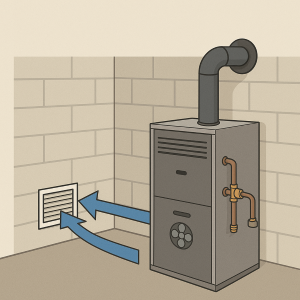
🔹Combustion Air Supply
Inspect the availability of fresh air needed for safe and efficient combustion in fuel-burning appliances.
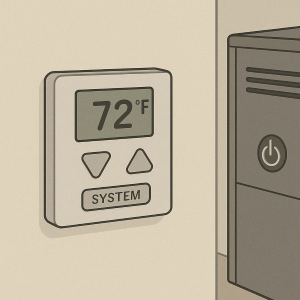
🔹 Normal Operating Controls
Check thermostats and system controls for proper function and response during normal heating cycles.
/div>
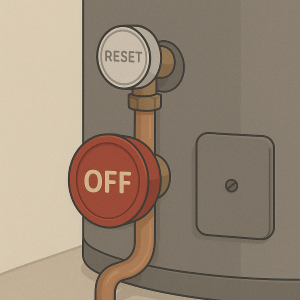
🔹 Safety Controls
Verify that safety devices—such as limit switches and pressure relief valves—are present and functioning as intended.
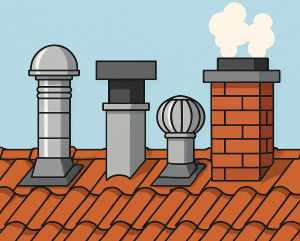
🔹 Exhaust Flues, Vents, and Chimneys
Evaluate venting systems for proper installation, clearances, and signs of blockage, corrosion, or backdrafting.
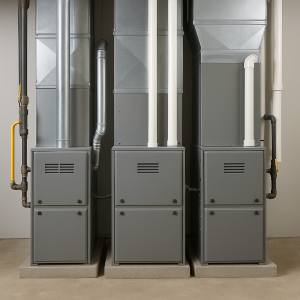
🔹 Furnaces
Identify the type, condition, and operation of forced-air heating units, including gas and oil furnaces.
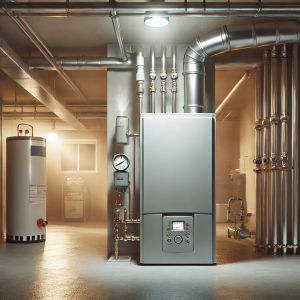
🔹 Boilers and Steam Heat
Understand how to inspect hot water and steam heating systems, including radiators, piping, and pressure components.
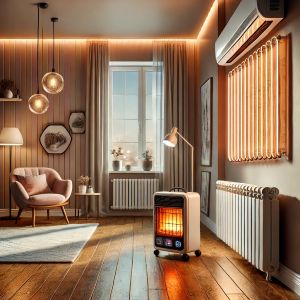
🔹 Electric Heating
Inspect baseboard and wall-mounted electric heaters for secure installation and safe operation.
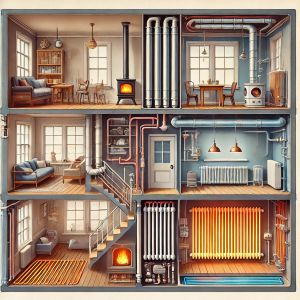
🔹 Distribution Systems
Assess how heated air or water is delivered through ductwork, pipes, or radiators throughout the home.
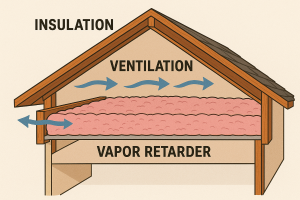
🔹 Insulation, Ventilation, and Vapor Retarders
Check attic and crawlspace components that affect energy efficiency, airflow, and moisture control in the heating system.
AIR CONDITIONING
Principles of Operation.
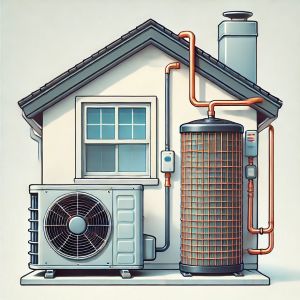
🔹Evaporators and Condensers
These are the main components of an air conditioning system that absorb and release heat to cool the home.
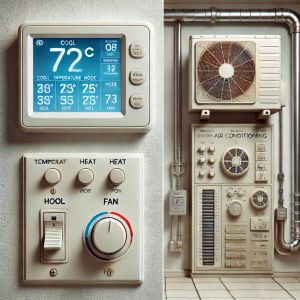
🔹Normal operating controls
These include thermostats and switches used to operate heating and cooling systems safely and effectively.
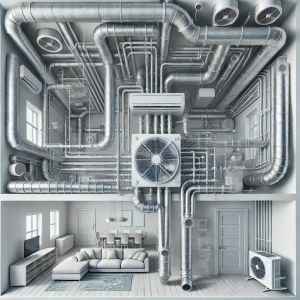
🔹Distribution systems
These systems move conditioned air through ductwork or pipes to various parts of the home.
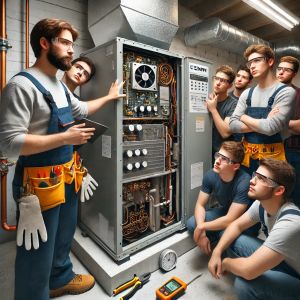
🔹LAB
This segment involves practical demonstrations and exercises to reinforce HVAC inspection concepts.
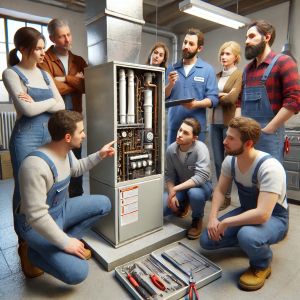
🔹Hands on inspection of heating systems
Students practice inspecting furnaces, boilers, and electric heaters on real or simulated systems.
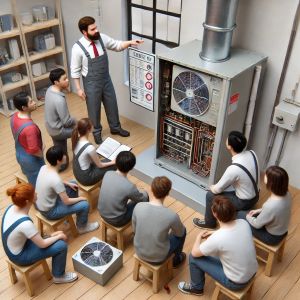
🔹Hands on inspection of cooling systems
Students examine air conditioning units and components in a real-world or simulated setting.
INSTRUCTORS

Jason is a Master Electrician as well as a licensed Home Inspector. He enjoys training new people, whether be an electrical apprentice, a new crew member for the residential reconstruction company he managed for several years, or in the classroom here at the Home Inspector Institute. Jason is also the InterNACHI Indiana Chapter President. Jason co-founded the Home Inspector Institute in 2007 and loves to share his knowledge and passion of Home Inspection with his students.

Hi, I am Jon Satterthwaite. I have over 40 years experience in various aspects of residential real estate. I started carrying hod while in high school and began buying and rehabbing single family homes while in college. I have started several successful small businesses in both the real estate and telecommunications industries. As a co-founder and director of the Home Inspector Institute, I really enjoy helping students off to a great start in their new career. It is my pleasure to conduct the business development section of the course. Give me a call or text at 317-496-0699 or email js@homeinspectorinstitute.com with any questions you may have about our course, becoming a Home Inspector or the home inspection industry in general. I look forward to meeting you.